Plastic waste is a mountain problem.
Written for adidas X Parley’s microsite
Plastic waste is a mountain problem.
You may have heard about the plastic waste in our oceans. What you may not know is that our landscapes are also awash with plastic waste, and it’s having a harmful effect on all aspects of our environment.
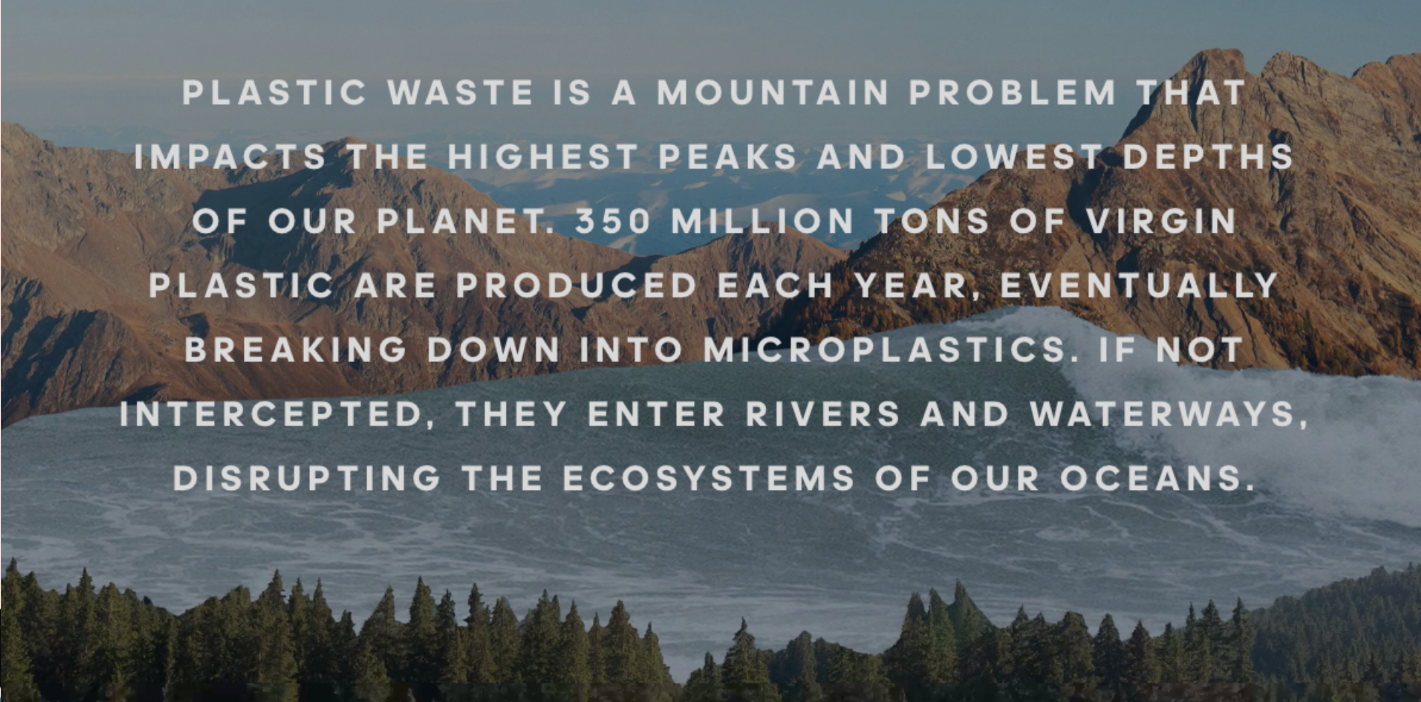
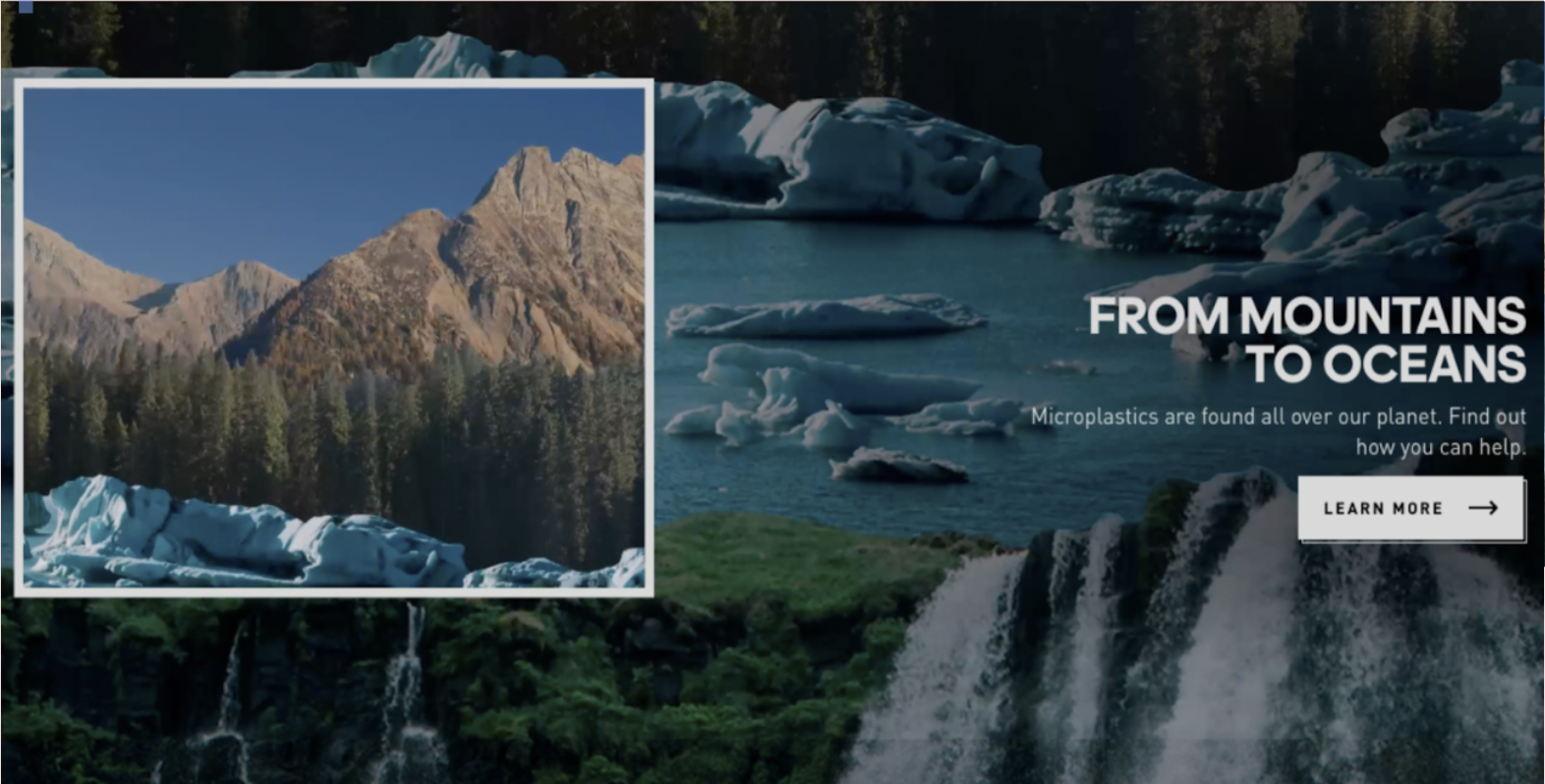
Plastic waste has found its way into every part of our world, even areas we like to think of as being untouched—like the Pyrenees Mountains and Mount Everest. Plastic is even being found in mountain ranges only accessible by foot; it scales the highest peaks and lowest depths of planet Earth. In 2019, for example, researchers reported tens of thousands of particles of microplastic per snow litre in remote regions of the arctic. [1 ]More recently, scientists have been able to use new technologies to closely analyze the snow of pristine environments. What they found demonstrates the scale of this problem: studies detected trace quantities of common insoluble—and even soluble—plastic in snow, water, rainfall, and soil. It’s been shown that even biodegradable forms of plastic can stick around for years, eventually breaking down into microplastics. [3] We can now say with absolute certainty that plastic waste truly is everywhere, and not just in the places you’d expect, like rivers or city streets.
Over 390 million tonnes of virgin plastic are produced every year. That means there’s now at least a tonne of plastic for every person on the planet. As discarded plastic breaks down, it disintegrates into tiny particles that are then blown by winds to the farthest reaching parts of our planet. These microplastic particles turn up in rivers, lakes, oceans, and sea. No matter where we are, we’re never far from the harmful effects of microplastics. The tiny particles have eleven been found in human lung tissue, suggesting that we’re most likely breathing them in. [3] Scientists also reported finding microplastics in both tap and bottled water. [4]
The problem has reached a breaking point: plastic production grew from 2 million tonnes in 1950 to 420 million tonnes in 2015. This development has led scientists to express alarm about the fact that we’re creating “a plastic planet”. [5]
So what can we do?
Studies like these bring the challenges our earth is facing into sharp relief. But there’s still so much we can all do to help. At adidas, we know we have a responsibility to help find solutions. That’s why we’re introducing Parley missions, our endeavor to help build awareness around the plastic waste problem and encourage participation. After the success of Parley’s Run For Our Oceans, we’ve joined forces again to engage as many people as possible in helping to heal our planet. Run For The Oceans turned a movement into a revolution, when 2.2 million joined us for a sponsored run that raised $1.5 million for the Parley Ocean Initiative for ocean health. With this in mind, we’ve designed a new series of challenges that get us all one step closer to our ultimate challenge of combating plastic waste. To prove that we truly can be the solution we need, we’re inviting you to join the cause and sign up for sustainability missions. We hope to raise more community awareness and important funding for a crisis that may ultimately end up defining our generation and what it can do. Answer the call with adidas X Parley’s mission series.
Although the fight to end plastic waste requires long-term commitments, there are countless short-term changes you can make right now. Parley’s missions series is all about bringing sustainability to life, and there are many other ways you can act sustainably every day.
You can reduce your plastic waste footprint today by taking a few simple steps:
Reusable water bottles and coffee cups: Plastic bottles and cups that are designed to be thrown away directly after use are known as single-use plastics, and are incredibly wasteful. Unless recycled, the plastic ends up in landfills and contributes to microplastic pollution. Instead, carry a reusable alternative and fill it up continuously.
Going grocery shopping with a reusable bag: Another source of single-use plastic is the bags you take home after grocery shopping. While many chains are making an effort to steer away from plastic in their bagging, they’re not all there yet. Bringing a tote or other reusable bag shopping with you could save plastic from being used and discarded.
Substituting food wrap with a beeswax alternative: Any time you can say no to plastic in favor of something reusable, do it! Clingfilm and other kitchen plastics are single-use, meaning they’re thrown away immediately. A beeswax alternative could be used again and again.
Avoid products containing “microbeads”: Certain cosmetic and skincare products use tiny hard beads made of plastic for a scrubbing effect. When you rinse these down your drain they collect in our natural water sources, harming marine life and releasing toxins. If you’re looking for an exfoliator-type product try using an acid instead for the same result.
Try refillable products: Lots of companies are trialing refillable products that allow you to bring them back to the store and be refilled. This means you don’t have to throw away the original casing and buy a newly packaged product. Any time a container can be reused, you’re saving plastic from getting out in the environment.
Buying sustainably: When buying new clothing, you should seek to shop high quality goods that can be kept for as long as possible without replacing. It’s also important to put your money where your mouth is, and make choices that reflect your personal beliefs and goals.
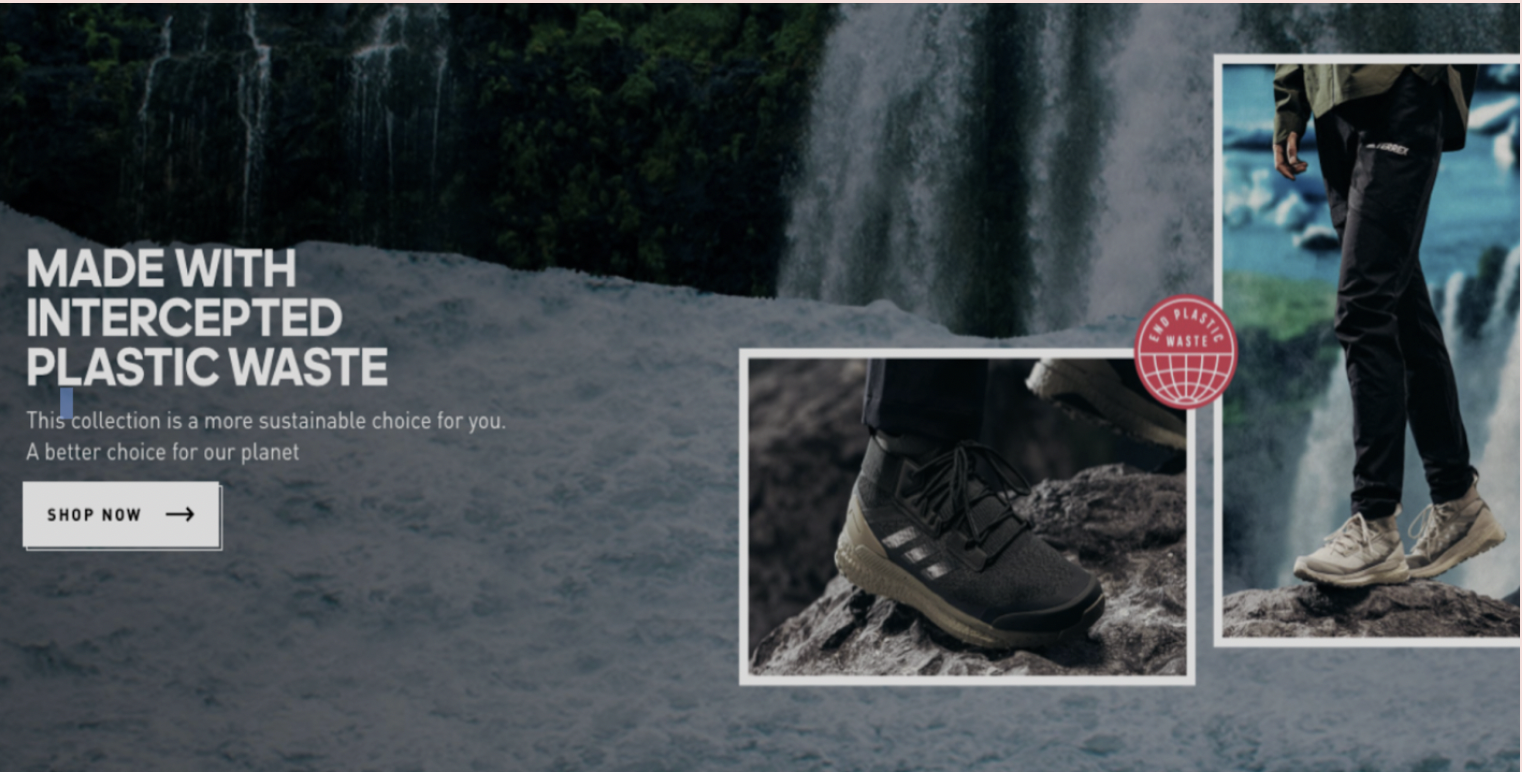
Supporting brands that are trying to make a difference is crucial in the fight to end plastic waste. In an effort to help you shop as sustainably as possible, adidas X Parley are launching their first collection of upcycled outerwear. The latest drop features clothing and shoes that are made with intercepted plastic waste, thanks to Parley’s patented circular technology. Stay on this journey with us as we get even closer to our goal of no virgin polyester in products by 2024. Let’s be the solution we need.